
My Child got an ADHD / Autism Diagnosis… Now What?
Receiving an ADHD or autism diagnosis for your child can…

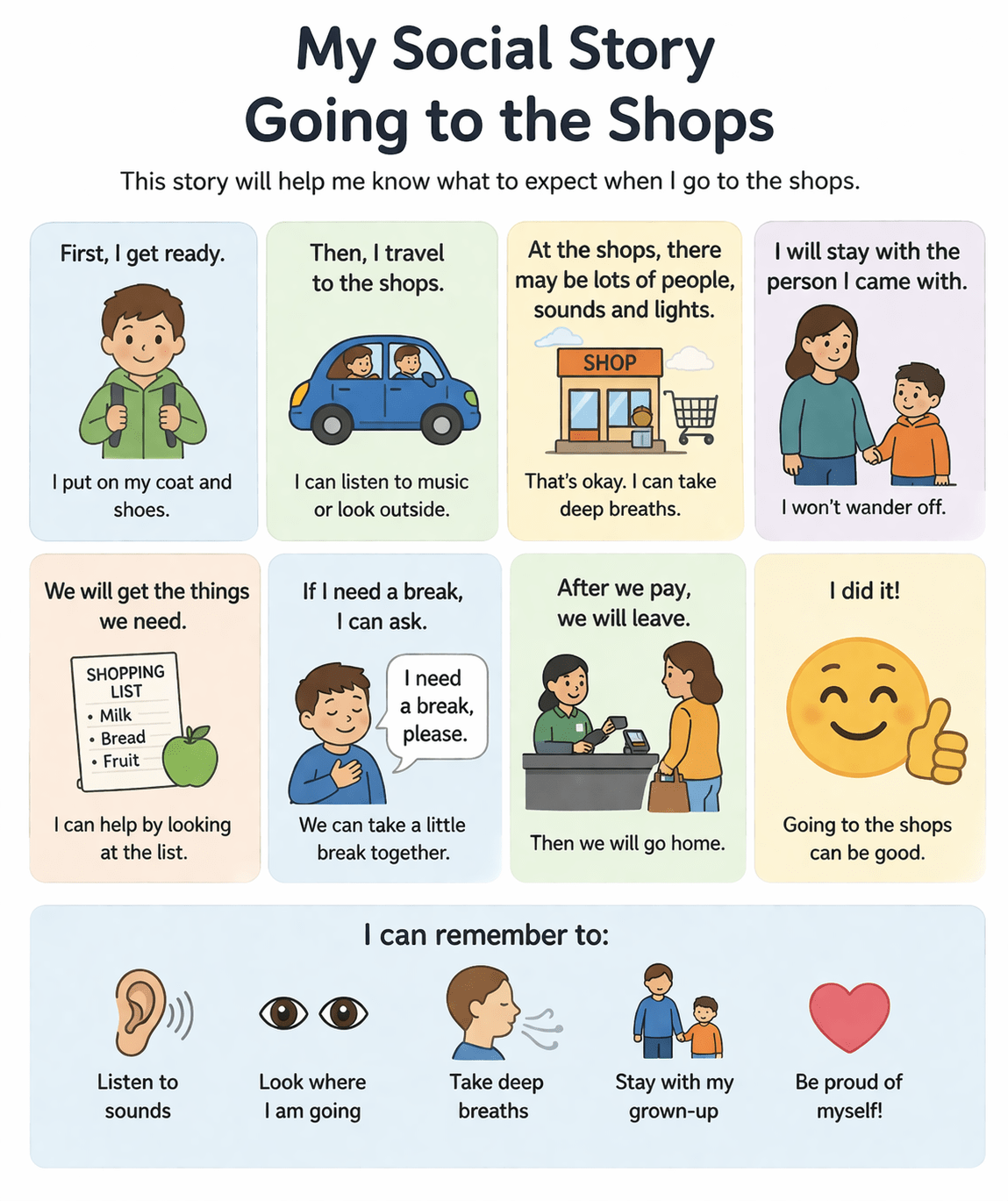

Supporting neurodivergent children and young people – whether they are autistic, have ADHD, or experience other forms of neurodivergence – often involves finding approaches that offer clarity, predictability, and emotional safety. One widely recognised and evidence‑informed tool that achieves exactly this is the Social Story, originally developed by educator Carol Gray in the early 1990s.
Social Stories have become a staple across schools, homes, and therapeutic settings in the UK and beyond, offering a structured yet compassionate way to help children understand social situations and navigate daily life with greater confidence.
Social Stories are short, personalised narratives designed to help individuals understand social situations, behaviours, or concepts by describing them in a clear, supportive, and non‑judgemental way. They follow a precise methodology created by Carol Gray that emphasises descriptive, respectful, and emotionally safe communication.
According to the NHS, Social Stories are simple, descriptive tools that explain what might happen in a situation, who is involved, and what the expected social norms may be – making complex or unpredictable scenarios more accessible for neurodiverse individuals.
Unlike behavioural scripts, Social Stories don’t instruct or demand compliance. Instead, they focus on sharing information, reducing anxiety, and improving understanding, helping a young person make sense of the social world.
Carol Gray’s methodology sets out specific sentence types to ensure stories remain balanced, safe, and informative. Common components include:
This structure ensures the emphasis is on support and understanding, rather than correcting behaviour.
For many neurodivergent children, unpredictability can be a major source of stress. Social Stories explain what to expect in a clear, step‑by‑step manner, helping reduce fear of the unknown.
Many young people with autism or ADHD find interpreting social cues challenging. Social Stories break down social expectations and perspectives, building emotional insight and empathy.
Common uses include preparing for:
Because Social Stories describe rather than instruct, they promote internal understanding rather than fear‑based compliance. This can lead to more meaningful and sustainable behavioural development.
Social Stories often include explanations of feelings – both the child’s and others’ – which helps with understanding emotions and managing responses.
When used consistently, Social Stories help young people build autonomy by offering internal scripts that they can recall and use independently during real-life situations.
One of the strengths of Social Stories is how adaptable they are. They can be personalised to a child’s:
Visuals such as pictures or symbols can also be included, especially helpful for visual learners or younger children.
Social Stories are far more than simple picture books or behaviour charts. They are a compassionate, evidence‑supported tool that empowers neurodiverse children and young people to better understand the world around them. By offering clear explanations, reducing anxiety, and promoting emotional understanding, Social Stories help build confidence, resilience, and a sense of belonging.
Whether you’re a parent, teacher, therapist, or carer, incorporating Social Stories into your support toolkit can make a meaningful difference to a young person’s daily life.


© 2026 Makewell Health and Wellness Clinic