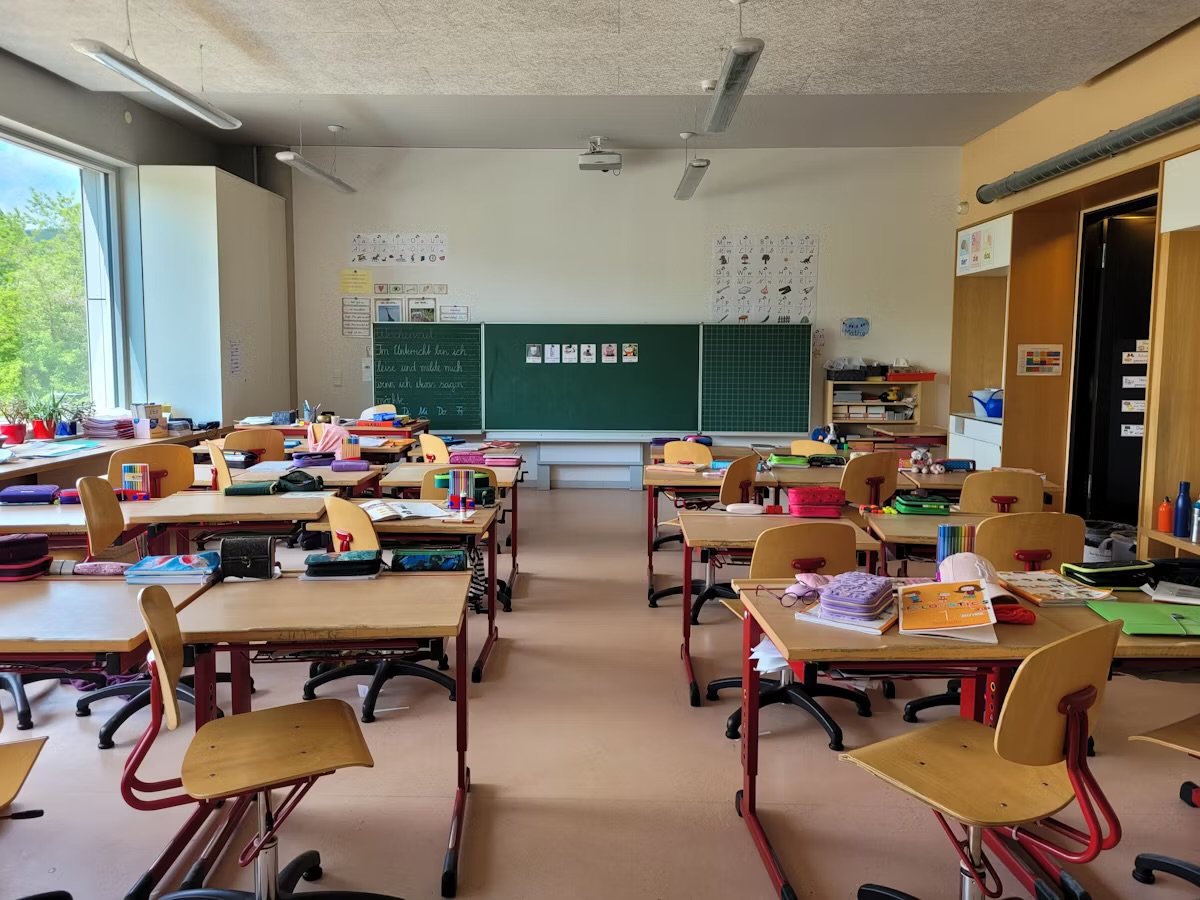
Attention Deficit Hyperactivity Disorder (ADHD) is one of the most common neurodevelopmental conditions affecting children, often impacting focus, impulse control, and emotional regulation. Whether a child has a confirmed diagnosis or is in the process of being assessed, it’s crucial that schools create an environment where these pupils feel understood, supported, and empowered to succeed.
Understanding is the First Step
Teachers and school staff play a vital role in identifying early signs of ADHD and making appropriate accommodations. Children with ADHD aren’t being ‘naughty’ or ‘disruptive’ on purpose—many are trying incredibly hard to stay focused and manage their energy. Building staff awareness through regular training on neurodiversity and ADHD-specific strategies is key.
Practical Strategies That Make a Difference
- – Clear Structure and Routine: Children with ADHD often thrive in predictable environments. Visual timetables, clear transitions, and consistent classroom routines can reduce anxiety and support concentration.
- – Flexible Seating and Movement Breaks: Offering alternative seating (e.g., wobble cushions or standing desks) and regular movement breaks allows children to release excess energy in a structured way.
- – Chunking Tasks: Large assignments can be overwhelming. Breaking them into smaller, manageable chunks with clear instructions and short-term goals can help maintain focus and boost a sense of achievement.
- – Positive Reinforcement: Celebrate effort, not just results. Regular, specific praise helps build self-esteem and reinforces desired behaviours.
- – Emotional Regulation Support: Many children with ADHD struggle with emotional outbursts or frustration. Having a designated calm space or access to tools like fidget items, sensory aids, or time-out cards can help them self-regulate.
Working with Families
Close communication with parents or carers ensures a consistent approach between home and school. Regular check-ins, behaviour plans, and input from external professionals like educational psychologists can provide a well-rounded support network.
Ultimately, every child with ADHD is different, and there’s no one-size-fits-all solution. But with a compassionate, flexible, and informed approach, schools can be a safe space where children with ADHD not only cope—but truly thrive.