
Here are some top reasons to consider having a child assessed for ADHD or autism:
- Understanding the Child’s Needs
- Assessment provides clarity on whether a child’s behaviours and challenges are related to ADHD, autism, or another underlying condition.
- It helps parents, educators, and healthcare providers understand the child’s unique strengths and needs.
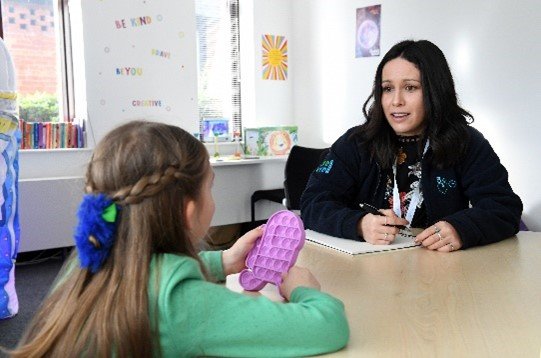
- Access to Support and Resources
- A formal diagnosis can open doors to tailored support services, therapies, accommodations in school, and potential funding or grants.
- It enables access to local and national support networks for families.
- Improving Education and Learning
- With a diagnosis, schools can create Individual Education Plans or provide additional resources to ensure the child reaches their potential.
- Teachers can use specific strategies to better engage and support the child.
- Addressing Behavioural Challenges
- Understanding the root causes of behaviours (e.g., hyperactivity, inattention, social difficulties) allows for targeted interventions.
- It helps caregivers and teachers manage difficult behaviours more effectively.

- Enhancing Social Skills
- Children with ADHD or autism may struggle with making and maintaining friendships.
- Early intervention can teach them skills to navigate social situations more confidently.

- Reducing Stress for the Family
- Unexplained behaviours can be stressful for parents and siblings. A diagnosis provides clarity and strategies to cope.
- Families can connect with others who share similar experiences for emotional support.
- Improving Emotional Well-being
- Undiagnosed challenges can lead to low self-esteem, anxiety, or depression in children.
- A diagnosis helps the child understand themselves better and reduces feelings of frustration or confusion.
- Guiding Future Planning
- Early diagnosis allows for long-term planning for the child’s education, career, and independence.
- Families can work with specialists to prepare for transitions at different life stages.
- Supporting Comorbid Conditions
- ADHD and autism often co-occur with conditions like anxiety, sensory processing disorder, or learning disabilities.
- Assessment helps identify and address all areas where the child may need support.
- Building Advocacy Skills
- A diagnosis equips parents with the knowledge to advocate for their child in educational, medical, and community settings.
Getting a child assessed is a proactive step that empowers families and ensures the child receives the best possible support and opportunities to thrive.
Jane Lambert
CEO
Makewell Clinic